Understanding the Importance of Foundation Crack Repair: A Comprehensive Overview
Foundation crack repair is a crucial aspect of home maintenance that often goes neglected. Property owners might ignore the ramifications of these seemingly minor issues. Foundation cracks can indicate much deeper problems that endanger safety and security and building worth. Comprehending the kinds, causes, and threats connected with these cracks is essential for any home owner. Without timely treatment, the effects can be far-reaching. Discovering effective repair techniques and preventative procedures might be the secret to guarding a home's honesty.
Kinds of Foundation Cracks
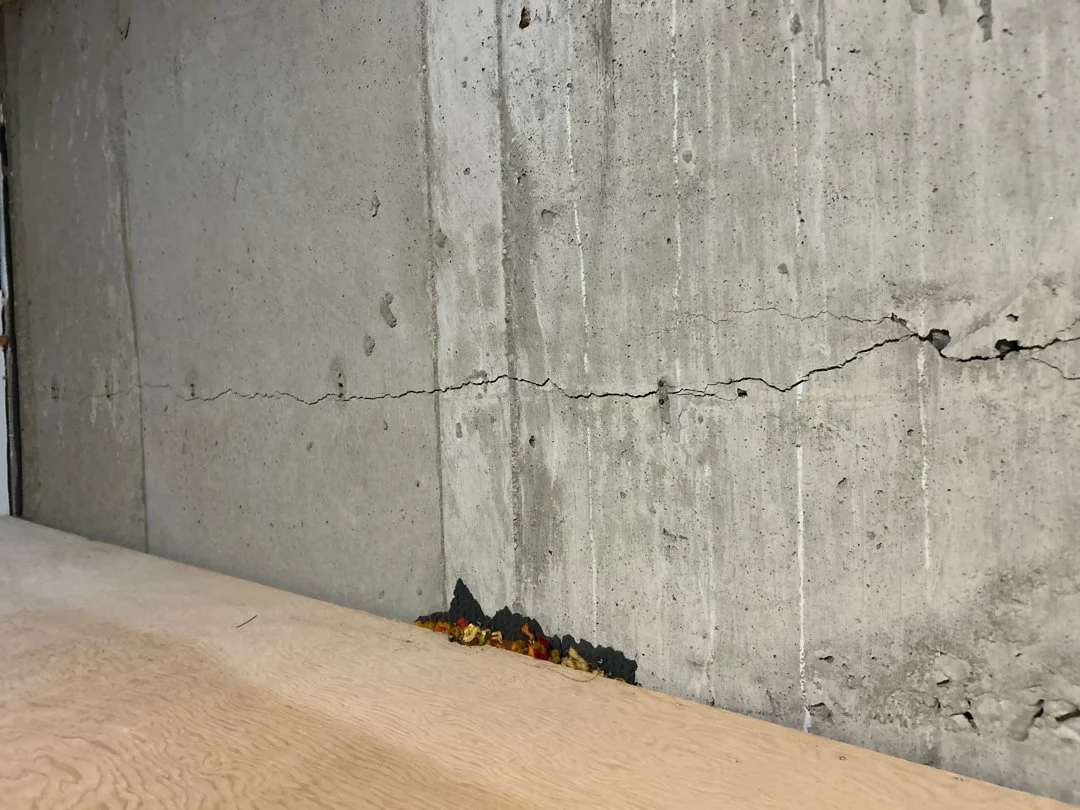
Foundation cracks can be a measure of various structural problems, and understanding their kinds is important for reliable repair. There are mostly two classifications of structure cracks: vertical and straight. Vertical cracks typically arise from clearing up or shrinkage, generally seen in newer constructions. These cracks may not present considerable threats however should be kept an eye on for changes over time.
On the other hand, horizontal cracks commonly show extra serious problems, such as excessive side pressure from soil or water accumulation. These cracks can endanger the structural stability of a structure and need prompt interest. Furthermore, angled cracks may appear at edges or along walls, typically suggesting a mix of resolving and other anxiety aspects. Determining the specific sort of crack visit this page is necessary, as it helps establish the suitable repair approaches and preventative procedures, thus protecting the foundation's security and durability.
Usual Root Causes Of Foundation Cracks
Foundation cracks usually occur from a selection of underlying issues. Dirt settlement, bad water drain, and changes in temperature level can all contribute to the structural stability of a structure. Comprehending these common causes is crucial for reliable repair and avoidance approaches.
Soil Settlement Issues
Soil negotiation problems are a substantial factor adding to foundation cracks in business and property frameworks. These troubles typically develop from the natural compression of soil in time, especially in areas with heavy clay or inadequate drain. As the soil clears up unevenly, it develops pressure on the foundation, causing cracks and structural damages. Elements like the removal of trees, modifications in landscape, or even the weight of the structure itself can intensify dirt settlement. Additionally, variants in dampness material can trigger soil to broaden or agreement, additional influencing structure stability. Addressing and recognizing soil negotiation problems very early is vital for maintaining the honesty of a framework and preventing pricey repairs in the future.
Water Water Drainage Troubles
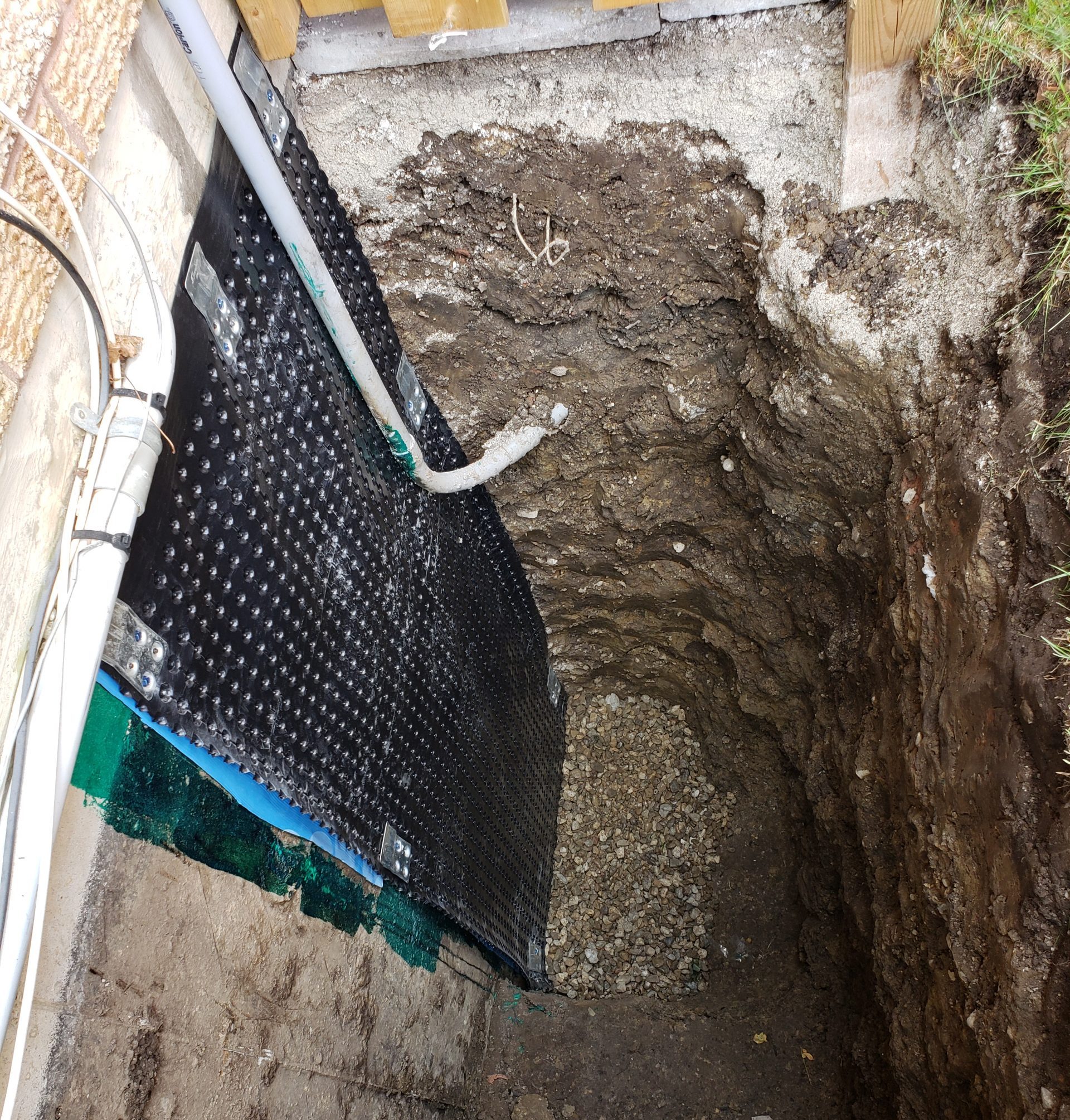
Effective water drainage is necessary for stopping structure cracks, as improper administration can bring about considerable structural concerns. Poor water drainage systems, such as clogged up seamless gutters, downspouts that direct water in the direction of the structure, or inadequate grading around a home, can create excess dampness buildup. This excess water can fill the dirt bordering the foundation, leading to enhanced hydrostatic pressure. As the dirt increases and gets with moisture levels, it places undue tension on the structure, causing cracks. Furthermore, improper water drainage can intensify erosion, more jeopardizing the architectural stability of the structure. House owners should regularly check and maintain their water drainage systems to minimize these risks and guarantee long-term stability for their residential or commercial properties.
Temperature Fluctuation Impacts
As temperatures change, the products that compose a structure can broaden and agreement, which commonly causes the growth of cracks with time. Concrete and soil respond in different ways to temperature level adjustments, causing stress at the foundation's joints and joints. In cooler months, concrete can diminish, while warmer temperature levels trigger it to increase. This consistent cycle develops stress, deteriorating the structural integrity and increasing the probability of fissures. In addition, variations in moisture levels can aggravate these impacts, as soil expands when wet and agreements when completely dry. Home owners need to be vigilant in monitoring their foundations for signs of cracks, as early detection can mitigate more damages and the linked repair costs. Understanding these temperature-related impacts is vital for keeping a steady foundation.
Indications of a Serious Foundation Issue
Many homeowners might overlook subtle signs of a serious foundation issue, yet identifying these very early warning signals is essential to avoiding more damage. Usual indications consist of visible cracks in walls, particularly those that are larger than a quarter-inch or appear in a stair-step pattern. Irregular floors, doors that stick or fall short to close correctly, and voids between windows and walls can also signify structure problems. Additionally, property owners should see for water merging around the structure or in the basement, as this can suggest drainage problems that intensify foundation stress. Other indicators may include bowing walls or recognizable changes in the home's framework. Dealing with these symptoms without delay can bring about even more workable repair services and longer-lasting security for the home. Routine examinations and awareness of these signs can help house owners keep their residential property's stability and stay clear of costly repair services in the future.
The Risks of Disregarding Foundation Cracks
Neglecting foundation cracks poses considerable dangers that can rise quickly and lead to pricey repair work. As cracks widen, they may enable water seepage, which can trigger mold and mildew development and more structural damage. This moisture can weaken the structure, bring about a lot more extreme problems like settling or heaving, ultimately endangering the overall stability of the home.
Additionally, foundation troubles commonly result in misaligned doors and home windows, making them difficult to operate. foundation crack repair. Such misalignments can likewise create extra stress on the home's framing, possibly bring about more extensive damage
Disregarding these problems can diminish building value, as possible buyers may perceive the home as a responsibility. Additionally, insurance may not cover problems if homeowners did not resolve the first cracks quickly. To conclude, the dangers of disregarding foundation cracks expand past instant aggravation, possibly causing significant long-term financial consequences.
Repair Techniques for Foundation Cracks
Addressing structure cracks without delay is necessary to preserving the structural honesty of a home. Different repair approaches exist, each fit for different sorts of cracks and their reasons. For small, non-structural cracks, epoxy shots can efficiently secure spaces and recover the foundation's strength. This approach avoids water infiltration and more wear and tear. For larger cracks, polyurethane foam can be injected, enabling it to expand and fill spaces, offering additional waterproofing.
In cases of substantial structural damage, foundation may be required. This strategy includes strengthening the structure by extending it deeper into stable dirt. One more option is using steel piers, which are driven into the ground to support the foundation.
Split stitching is a technique used to horizontal cracks, using stainless-steel bars to give reinforcement (foundation crack repair). Ultimately, picking the ideal repair technique depends on the seriousness of the damage and the particular conditions bordering the structure
Preventative Procedures for Foundation Honesty
While structure cracks can be pricey to fix, applying preventative actions can greatly improve the longevity and security of a home's foundation. House owners need to focus on proper drain around the structure. This consists of making certain rain gutters and downspouts direct water away from the structure, as extreme wetness can cause dirt erosion and instability. Regularly checking the rating around the home and making essential changes can stop water pooling versus the foundation.
Additionally, preserving consistent moisture levels in cellars and crawl rooms is crucial. Using dehumidifiers and making sure correct ventilation can alleviate moisture accumulation, which adds to foundation problems. It is also a good idea to avoid growing large trees or hedges too near the foundation, as their origins can exert pressure on the structure gradually. Routine inspections by a structure expert can recognize possible concerns early, permitting for prompt intervention and eventually maintaining the honesty of the structure.
Regularly Asked Inquiries
How Much Time Does Foundation Crack Repair Commonly Take?
Foundation crack repair generally takes one to 3 days, relying on the severity of the damage and the picked repair technique. Weather and the professional's schedule may additionally affect the total period of the process.
Will Foundation Crack Repair Impact My Home's Value?
Foundation crack repair generally enhances a home's value. Attending to structural issues comforts prospective purchasers, signifying correct upkeep and care. Neglected cracks, nevertheless, might deter interest, emphasizing the importance of prompt repair services for optimal residential property worth retention.
Can I Fix Foundation Cracks Myself?
Repairing foundation cracks individually is feasible for some home owners, provided they possess the right tools and knowledge. Specialist support is commonly recommended for bigger concerns to ensure security and long-lasting efficiency.
What Is the Expense Variety for Foundation Crack Repair?
The cost variety for foundation crack repair generally varies from $250 to $2,000, depending on aspects such as the extent of the damage, location, and repair approach selected. Specialist evaluations may incur extra expenses.
Exactly How Can I Find a Reliable Foundation Repair Professional?
To locate a trusted foundation repair professional, one must seek suggestions from pals or family, checked out online reviews, inspect licenses and qualifications, and obtain numerous estimates to contrast solutions and rates successfully.
Foundation cracks can be a measure of numerous architectural problems, and comprehending their kinds is essential for effective repair. Furthermore, homeowners ought to enjoy for water merging around the structure or in the cellar, as this can suggest drain issues that intensify foundation stress and anxiety. While foundation cracks can be expensive to repair, executing preventative steps can greatly boost the long life and stability of a home's structure. Foundation crack repair commonly takes one to three days, depending on the extent of the damage and the selected repair method. The expense variety for structure crack repair commonly differs from $250 to $2,000, depending on variables such as the extent of the location, damages, and repair method selected.